


Pressure on exchange rate worries EAC
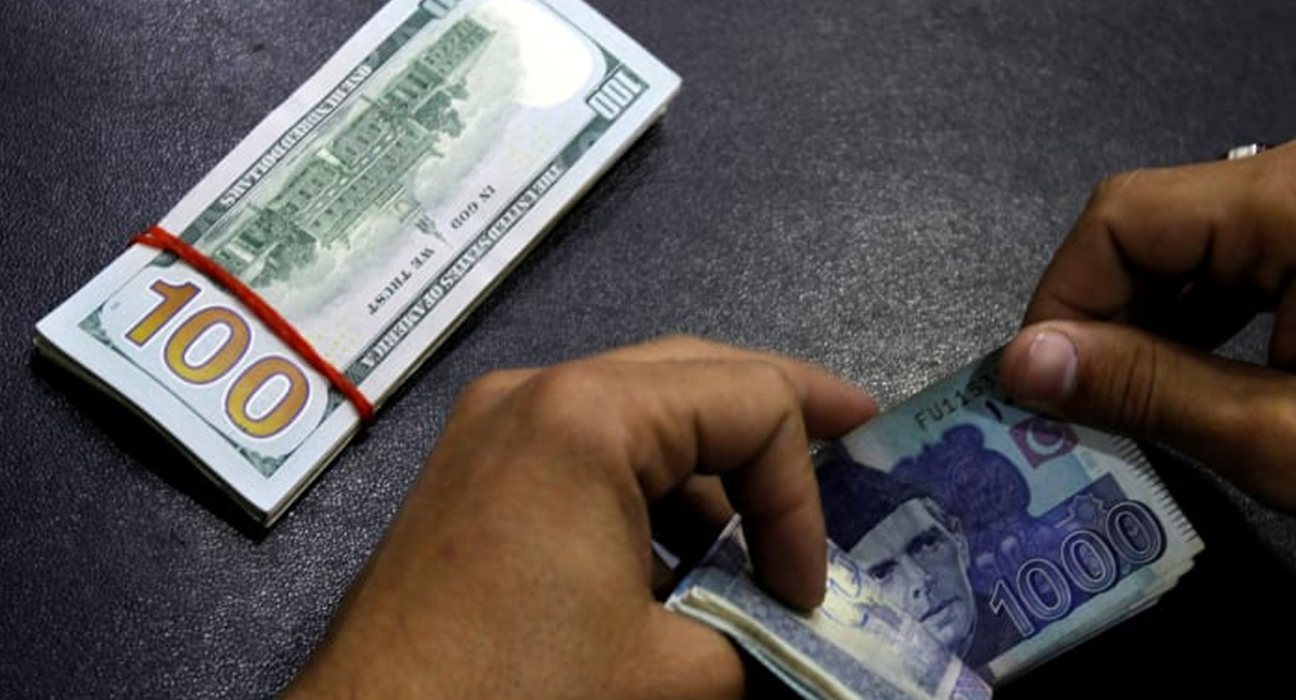
The Economic Advisory Council (EAC) met Wednesday to address the deepening worries over exchange rate, in line with its central bank data. Prime Minister Shehbaz Sharif was urged by the council to address this issue in order to sustain Pakistan’s competitiveness in export.
Real Effective Exchange Rate (REER) and Rupee Valuation Debate
During the meeting, some members noted that the Real Effective Exchange Rate (REER) had shot up to 104.05 in January 2025. The land value where REER reaches 100 is considered the fair market value, any REER over 100 indicates overvaluation. Officials put the rupee overvalued by about 4%.
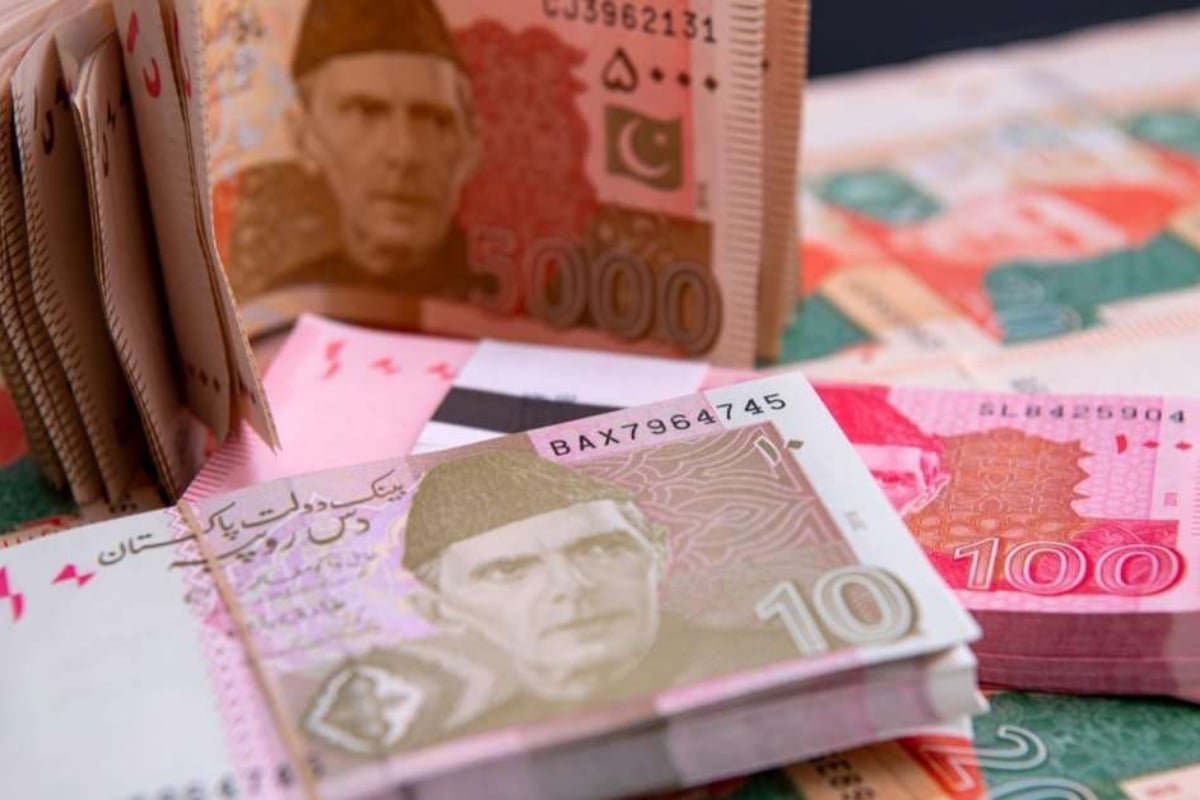
In that context, however, Deputy Prime Minister and Foreign Minister Ishaq Dar argued that the rupee was rather undervalued by at least 15%. The rupee is now trading at over Rs279 per US dollar and the rate has remained stable for the last few days.
EAC Membership and Export Concerns
The EAC is chaired by the prime minister and will comprise personalities like Jehangir Khan Tareen, Saqib Shirazi, Shehzad Saleem, Musaddiq Zulkarnain, Dr. Ejaz Nabi, Asif Peer, Ziad Bashir, and Salman Ahmed. However, some members, especially exporters, were concerned that overly appreciated rupee was rendering their exports uncompetitive. Finance Minister Muhammad Aurangzeb told the council that he would place the matter before the State Bank of Pakistan (SBP).
Foreign Exchange Reserves and Market Conditions
Foreign exchange reserves also fell by $1 billion to $11 billion by end of last week according to EAC members. Foreign inflows are, however, still stagnant despite being under an IMF programme. Over the next twoweeks, the SBP had been managing reserves through market purchases of up to $9 billion in 2024.
But, a current account deficit of $420 million in January seems to foreclose additional dollars. At present, the SBP is keeping back part of export proceeds and foreign remittances for reserve stabilization.
Import Policies and Trade Facilitation
In addition, the central bank has lifted restrictions on imports, allowing duty free imports of cotton, textile machinery, spare parts and the raw materials which are not locally available. Exports of $19.2 billion were enough to generate a $700 million surplus on the current account balance over the first seven months of the fiscal year.
Besides, EAC members also proposed importing raw sugar for refining and re export. Further, some recommended that if sales tax should not be imposed on the imported raw material as it is hindering exporters who make use of the Export Facilitation Scheme.
Government Initiatives for Economic Growth
The government would remain resolved regarding strengthening of the local industries and making them competitive in the global markets, said Prime Minister Shehbaz Sharif. In addition, he stated that they are continuously consulting on the regulation of digital currencies.
Official statement posted by EAC says its members expressed confidence in government’s economic strategies, adding offering measures to still improve economic growth. Relevant authorities were asked by the prime minister to work with the council in formulating a comprehensive action plan according to their recommendations.
This focuses on Regional Trade and Technological Development.
The prime minister underscored the necessity to capitalise on trade opportunities with the region, as well as key sectors namely industry, agriculture, and information technology. The government’s economic agenda still centers around job creation and export growth.
They are also trying to boost telecommunication communication and internet connectivity in remote areas. The purpose of this initiative is that it to support the growing freelancer community and further enhance Pakistan’s IT export potential.