


PAC audit reveals funds’ misuse
Parliamentary Investigation into the Use of Energy Funds in Pakistan
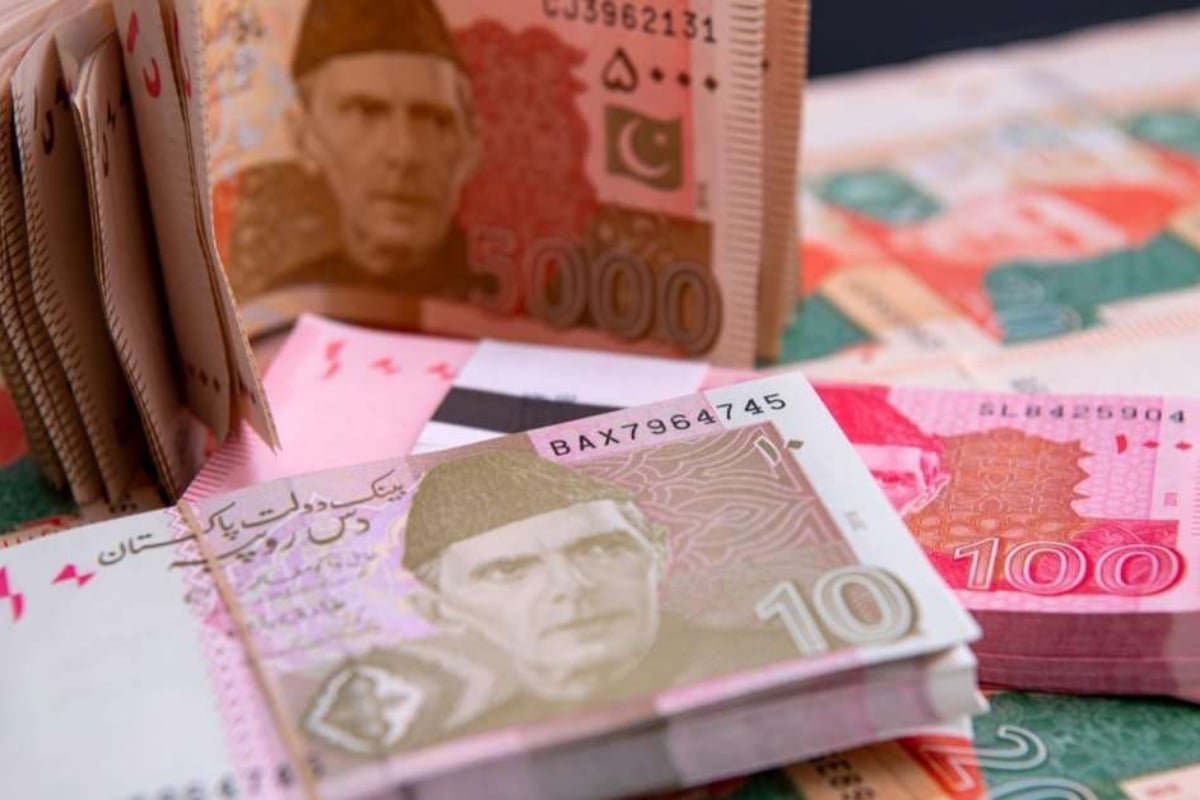
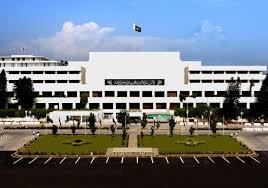
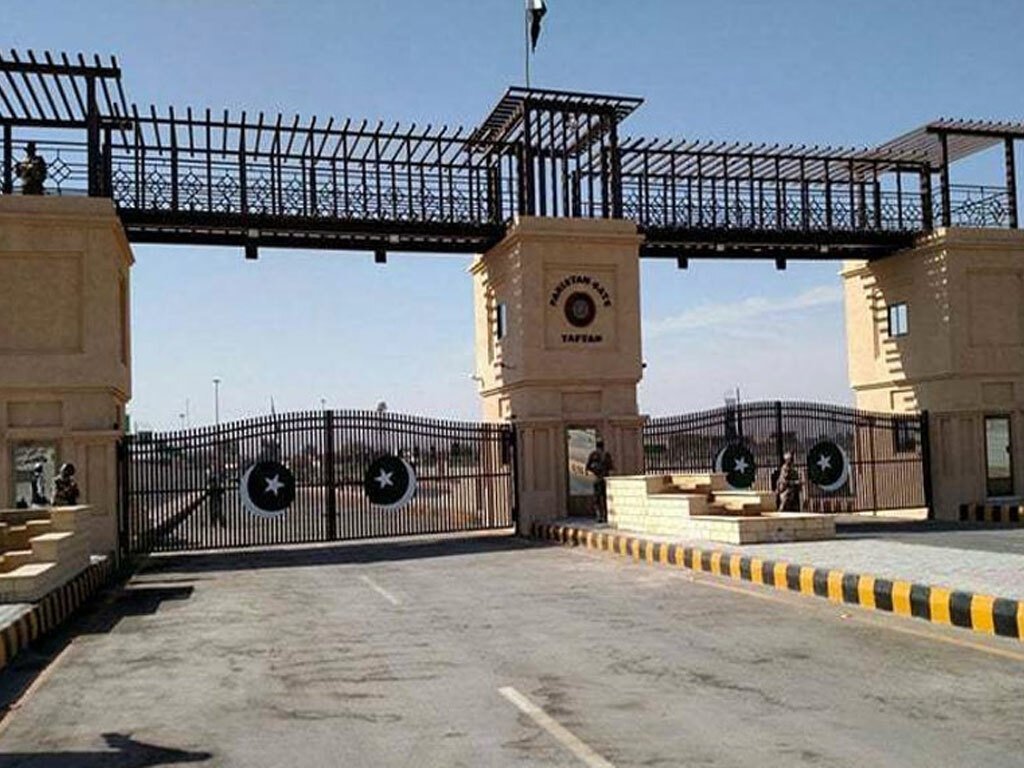
With that, attention has been drawn over transparency and use of funds raised for energy sources in Pakistan after the current Public Accounts Committee (PAC) joining. The meeting was chaired by Junaid Akbar of the Pakistan Tehreek-e-Insaf (PTI) and discussed enquiries regarding financial errors in the Petroleum Division. Review took place of 175 audit paras at an amount of Rs4.238trn. What came under focus was the issue of the misdirection of Gas Infrastructure Development Cess (GIDC) funds, intended for the energy projects, like Iran Pakistan gas pipeline as well as Turkmenistan Afghanistan Pakistan India (TAPI) pipeline. While Rs3.7b out of these funds were used for loan repayments, it became controversial and raised serious questions about financial governance.
Misuse of Gas Infrastructure Development Cess (GIDC) Funds
The Rs350 billion collected as GIDC, so far, was mentioned at the PAC meeting which included that untill June 30, 2023. The gas consumers contributed to the financing of energy infrastructure projects through a special cess. But, contrary to their allotted use, part of these funds was used to pay off government debts. Moreover, this revelation angered other committee members, who said public funds should not be used for anything other than what it was collected for.
Impact of International Sanctions on Energy Projects
The Iran Pakistan pipeline project was one which slowed utilization of the GIDC funds, other international sanctions imposed against Iran sharply reduced the amount of money Iranians were able to attract for investing in IDCD. According to officials of Petroleum Division, the problem associated with allocation of funds to this initiative stems from global restrictions on this issue. Other committee members, however, were not satisfied with this explanation. Questioning the government as to why it kept collecting GIDC from the public if it was aware of these sanctions, PPP’s former foreign minister Hina Rabbani Khar said that courts were creating a lawless society for the nations. Instead of this let these funds sit idly she suggested that the funds can be used for the alternative energy projects not at the dilemma of geopolitical constraints. In return, the PAC directed the Petroleum Division to bring proposals in a month on how those would be best utilized.
Legal Complexities Surrounding GIDC
The other important feature that was discussed is the legal status of GIDC. Introduced in the law introducing the GIDC was in 2015, in 2020, however, the Supreme Court of Pakistan declared it void in relation to the matter. However, this ruling did not stop funds being collected, a point which gives hope to those who question the legal standing and lack of a framework for the funds at their disposal. Committee officials were convinced that the disputes regarding the Iran Pakistan gas pipeline were being attended to and that the GIDC funds were being utilized in reconciliation.
TAPI Pipeline and Government Spending
In contrast, some funds have been used for the TAPI project, to the contrary of the Iran Pakistan pipeline. At the PAC meeting, it emerged that this scheme had already cost the government Rs1 billion; and government officials promised to give an in-camera briefing on its progress. But members of the committee emphasised the need to enhance transparency as far as these expenditures were concerned so that each and every rupee that has been spent was accounted for.
Shortfall in Gas Development Surcharge (GDS) Collection
Secondly, under-collection of Rs33 billion in Gas Development Surcharge (GDS) for the year 2022-23 was another major issue discussed. Largely, this shortfall was subsidised for fertilizer and power companies. However, PPP’s Naveed Qamar strongly criticized this saying that provinces rather than the federal government should be collecting the GDS revenues. He charged the federal authorities with focusing more on corporate interests and less on provincial rights to the extent that they are exacerbating the financial imbalances.
Government Justifications and Defense
Reacting to these concerns, Gas Director General stated that the GDS shortfall was the result of the government’s policy of passing on subsidy to the fertilizer sector. However, these subsidies were argued by officials as essential to maintaining agricultural productivity and keeping fertilizer prices stable. Yet these justifications failed to pacify worried minds about transparency and alleged mismanagement of funds.
Transparency in Management of Energy Fund is an appeal.
The essence of the meeting clearly underlines the need for enhancing financial governance in Pakistan’s energy sector. Growing public distrust of the way government is handling energy related finances is partly due to the misuse of GIDC funds, legal uncertainties and under collection of GDS. The committee members pointed out that funds raised from the public should be spent on the specific project goals, not on other projects.
Future Course of Action
Going forward, the Petroleum Division has been directed by the PAC to come up with detailed proposals to spend the GIDC funds worth Rs350 billion to their best effect. As a result, there is a strong drive to ensure that these funds are invested in Pakistan’s long–standing energy projects that have the potential of addressing Pakistan’s ever–increasing energy crisis. In addition, experts advise that the country should follow international best practices for energy financing, and that money received for infrastructure development should be spent in an open and efficient manner.
Expert Opinions on Energy Fund Utilization
Many economists and energy sector analysts have emphasized the role of financial discipline and transparency in funding the public sector. However, they claim Pakistan needs to adopt stricter oversight mechanisms to prevent energy development funds from being misused. Based on international case studies, countries which comparatively managed their energy funds successfully established independent regulatory body to control funds’ expenditure and avoid misallocation.
Public Response and Political Implications
Political implications of mismanagement of energy funds are huge. Revelations of fund misuse adds to the low number of public trust in the government’s financial management. If nothing concrete is done about these financial irregularities, then the opposition will be able to attack the government in the political arena and make good use of the situation to gain popular support, according to political analysts. These concerns need to be hastily addressed by the government and confidence in its financial policies needs to be restored.
Conclusion
As it turns out, the PAC meeting has also exposed serious financial mismanagement in Pakistan’s energy sector. Also, problems of misuse of GIDC funds, legal ambiguities and revenue shortfalls underpins the need for better accountability and transparency. From now on, the government ought to direct that open assets be dispensed and utilized as per their proposed reason. Adhering to global best practices, as well as strengthening financial oversight will help improve governance of the energy sector in Pakistan, and help move towards a more stable and sustainable energy future.