




Pakistan could use nukes to secure its water share: analysts
New Delhi declares that it is going to temporarily stop sharing water from the Krishna, which is an important water supply source for Pakistani Punjab: India cancels the water supply under the Indus Water treaty because of Pak’s involvement in the Uri attack on the J & K tourist destination. Thus, Pakistan responded with threats pointing out that any aggression that could potentially hinder or modify the IWT would be treated as an act of aggression and that Pakistan would respond to it in every way possible.
Background of the Indus Waters Treaty (IWT)
The Indus Waters Treaty was signed in 1960 as an agreement which was facilitated by the World Bank to divide the waters from the Indus River system between the two countries, Pakistan and India. For decades, it has been regarded as one of the few success stories of together cooperation between the two countries that otherwise hardly ever agree on anything owing to their political and territorial differences.
But in recent times, the tensions have risen, thus making the Indian Cabinet Committee on Security (CCS) to put the treaty “on hold” following a terrible incident in Pahalgam Anantnag district of IIOJK where 26 people including tourists were killed. This is one of the series of measures taken to add pressure on Pakistan.
Effects of Climate change on Agriculture and Water Resource of Pakistan
For Pakistan, this could have a very unfavorable outcome as Pakistan is an agricultural country where about 90 percent of irrigation facilities are dependent on the Indus Water Treaty. Experts have opined that the government in New Delhi may employ water as a weapon to strangulate Pakistan for food shortage, thus leading to social upheaval.
An immediate impact could be that India may withhold information on water share of common rivers flowing into Pakistan especially concerning the monsoons. This data is very useful in helping one avoid the areas prone to floods and the lack of it will greatly increase the vulnerability level of Pakistan.
Pakistan’s Strong Response
In reply to this, Pakistan has categorically turned down the path created in front of it by India by reminding that as far as the IWT was concerned, the contract cannot be altered or suspended unilaterally. On June 3, Pakistan’s National Security Committee (NSC) released a statement stressing over the water issue by stating that water is a matter of national interests and any aggression in this regard means waging a ‘war’.
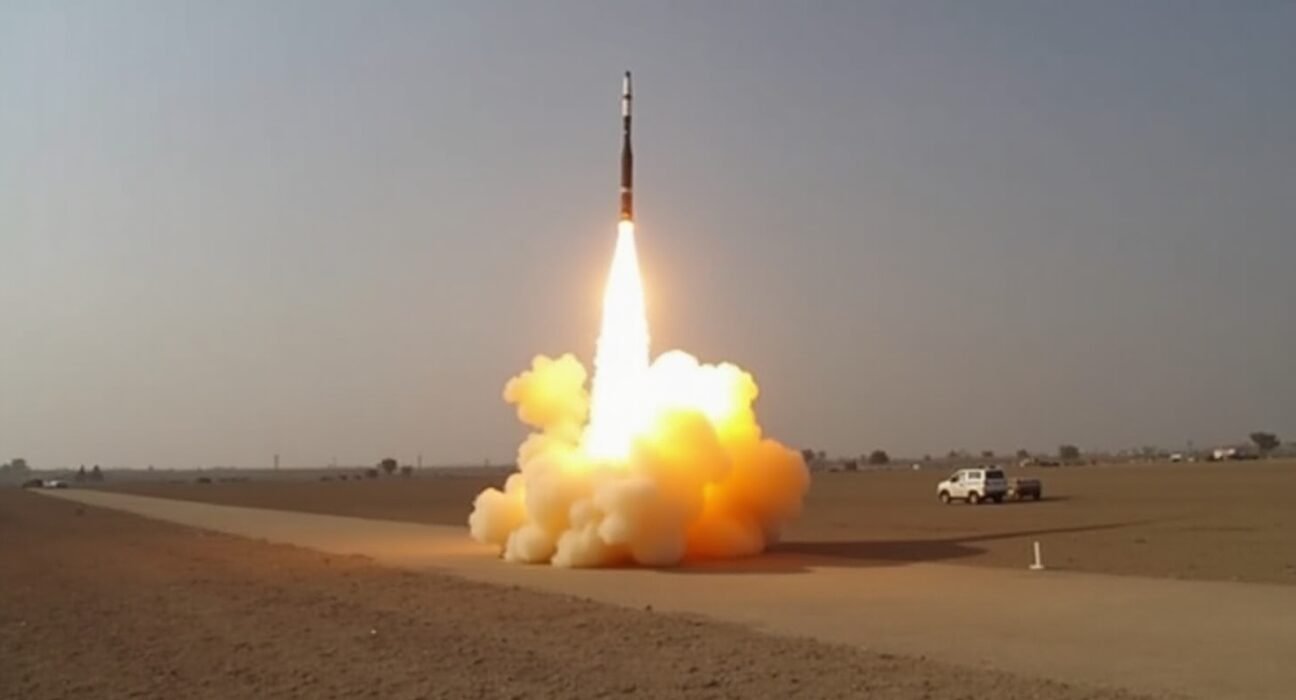
The NSC built upon that statement by saying that Pakistan would employ its whole nation strength to defend water rights. And this clearly entails all conventional and non-conventional methods that include possible employing of forces to eliminate any projects aimed at seizing the share of water from Pakistan. Some pundits went as far as drawing from this a clue of the possible plans on utilizing nuclear power if the situation required as such.
India’s Strategic Intentions
While many political analysts argue that the Indian interest lies in continue with IWT, for political reasons India opposes this initiative and puts into action its intention. Scholars also claim that India cannot amend / suspend this treaty because it holds no right of changes unilaterally and any changes can be made only and only by mutual consent of two countries. Similarly, the former Pakistan Commissioner for Indus Waters, Jamaat Ali Shah, maintained this view saying that the IWT was a treaty and thus could not be set aside or even changed without the consent of Pakistan.
The Indian government, however, has pointed out that the abeyance amount to suspension and therefore if Pakistani government responds positively to Indian concerns the treaty can be resumed. India argues that this is not the violation of the treaty but rather a kind of pause in cooperation that can be resumed later when the two sides are ready to continue their collaboration.
Looking Ahead
The situation remains quite unpredictable, though, and with Pakistan ready to retaliate in a harsh manner over water rights. However, the risk of an increase in the conflict intensity is still high mainly for continuing India’s military invasions and unilateral actions that can harm Pakistant’s right to utilize waters in the Indus River system.
Even though the Indian move of suspending the IWT could be a short-term strategic move in politics, the effects on relations between both countries and the stability of South Asia are not clear. Analyzing this issue, one can come to the conclusion that, while Russia and Ukraine are still struggling with this matter, the role of the international community in the preservation of the IWT’s credibility will probably increase.