




Report confirms gas reserve at Korangi Creek
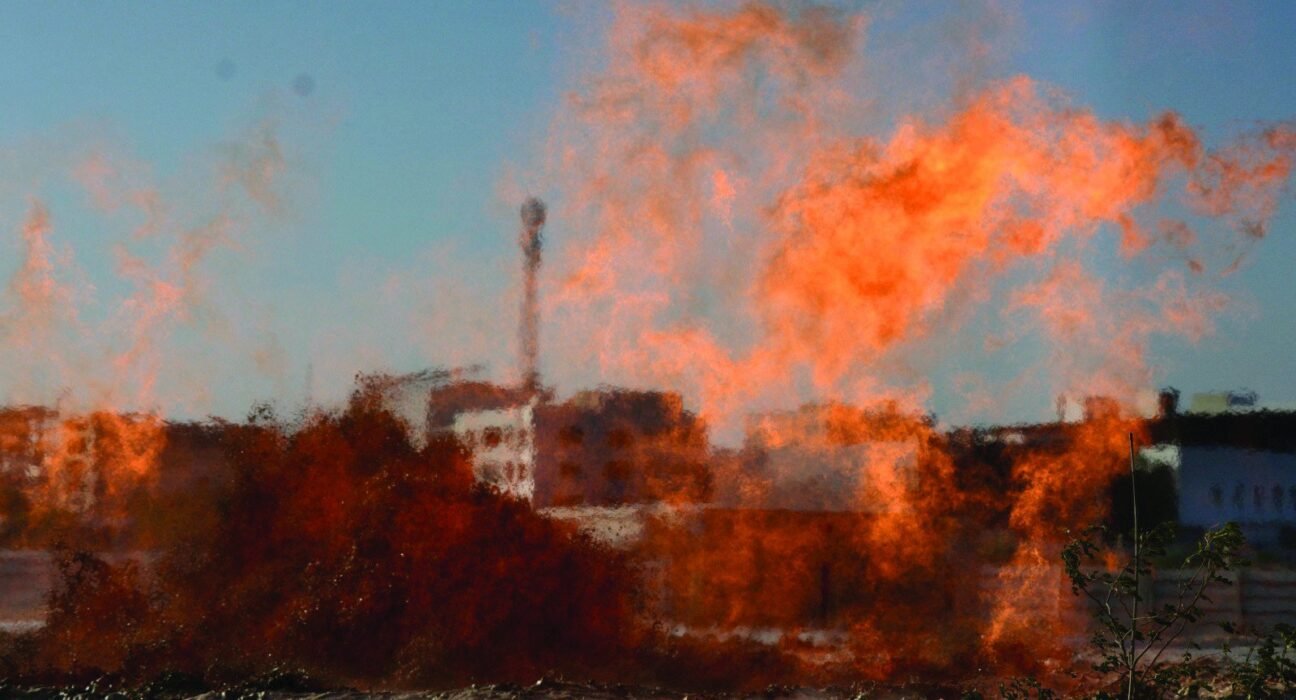
Water testing at Korangi Creek laboratory revealed that underground hydrocarbon leaks caused the prolonged gas fire thus generating worries about local gas reserves as well as environmental threats.
The chemical analysis produced important data about the nine-day gas fire which indicated that deep hydrocarbon sources leaked into Korangi Creek.
1. Contaminants Exceeding Safe Limits
Benzene: 19 µg/L (Permissible limit: 5 µg/L) – Carcinogenic
Toluene: 15.26 µg/L (Limit: 5 µg/L) – Linked to nervous system damage
Tetrachloroethane: 33.42 µg/L (Limit: 5 µg/L) – Toxic industrial solvent
O-Xylene: 7.08% (Above normal levels) – Flammable petroleum byproduct
2. Source of the Leak
Laboratory examinations show gas from thermogenic reservoirs seeping upward from below the surface instead of coming from biological activities at the surface level.
Methane gas along with volatile organic compounds (VOCs) can rise through fractured rock layers because of faults responsible for sustaining this fire.
Possible Industrial Link: Tetrachloroethene (PCE), an industrial chemical, suggests underground contamination from nearby industrial activity.
3. Fire & Health Risks
The fire has sustained for nine continuous days because escaping natural gas/methyl vapors have built up above the ground.
Research-based medical recommendations provide that local citizens need to wear respiratory protection due to hazardous gas emissions from the site.
What This Means
The scientific study reveals that underground hydrocarbon reservoirs which have not been explored exist throughout this particular area.
⚠️ Environmental & Health Crisis:
Polluted water containing benzene together with additional toxic substances endangers both marine wildlife and nearby residential areas.
These toxic agents may trigger several harmful effects that produce cancer results and organ damage as well as respiratory disorders.
🔍 Need for Urgent Action:
The fires must be stopped by sealing all gas leaks.
Actions to monitor environment quality will protect people who live there.
A deeper exploration must be made to identify which industrial facilities are responsible for the PCE contamination.
Expert Warnings
Analysis indicates petroleum-based pollution because benzene together with toluene and xylene exists in the area. Entry of toxic substances into the atmosphere results in dangerous health problems for people. Immediate safety measures are critical.”
– Chemical Safety Specialist
The thermogenic gas trace elements indicate a buried reservoir leakage that exceeds surface decomposition conditions. The gas reserve system appears to hold undiscovered extensive gas reserves.
– Petroleum Geologist
Next Steps
The government needs to take control of the leak and determine its long-term negative consequences.
Officials should issue informational warnings about staying away from dangerous chemical contact for nearby residents.
Geoscientists must conduct more studies to determine the size of hidden natural gas resources.