




Trade deficit hits $3.4 billion
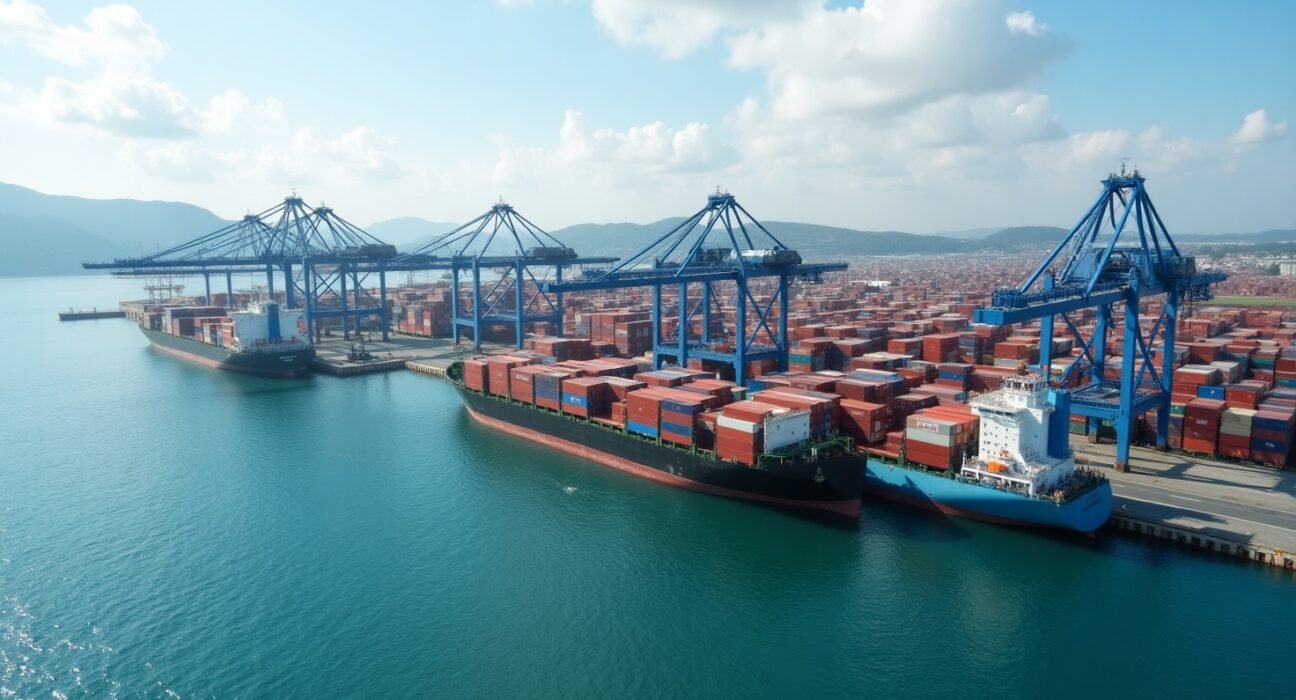
According to the Pakistan Bureau of Statistics (PBS), the trade deficit in Pakistan shot up to $3.4 billion in April 2025, the largest monthly shortfall in almost a year since August 2022. Against that troubling surge of up 55.2% from March, imports have skyrocketed while exports have stagnated, leaving the country’s external account stability in question.
Exports declined 19.05% month on month and 8.93% year on year to reach $2.14 billion. Meanwhile, imports surged up to $5.53 billion, growing by 14.52% MoM, as well as by 14.09% YoY, which marks the highest monthly import since August 2022.
The April trade deficit was at Rs952 billion in rupee terms. In addition, this deficit in the cumulative ten months of FY25 (July–April) i.e. $21.4bn represents an increase of 8.8% year on year. Total exports in the first 10 months of the year came to $26.9 billion (up 6.3% YoY), while imports grew to $48.2 billion (up 7.4% YoY).
According to Sana Tawfiq of Arif Habib Limited in the capacity of Head of Research, the surge in imports emerged from revived domestic demand in Pakistan, increased petroleum consumption and higher automobile sales, probably as a result of monetary easing and the recovering economy. But she warned the current account would be unlikely to stay in surplus without corresponding export growth or sustained remittance inflows.
Yet remittances still went into record territory last month, hitting $4.1 billion, but with concerns normalisation in inflows could erode the cushion protecting the country from its swelling trade gap.
If unchecked, experts warn, non essential imports could make Pakistan’s external vulnerabilities even worse, as its current account balance is currently under pressure.